 Forma Movement

Master six multi-joint movements that wake up your spine, hips, and shoulders in eight minutes. You will identify key compensations before your workday begins.
- Target the spine, hips, ankles, and shoulders within eight minutes flat.
- Perform each drill for 45 seconds with controlled breathing instead of fast reps.
- Keep ground contact steady to establish balance before lifting heavier loads.
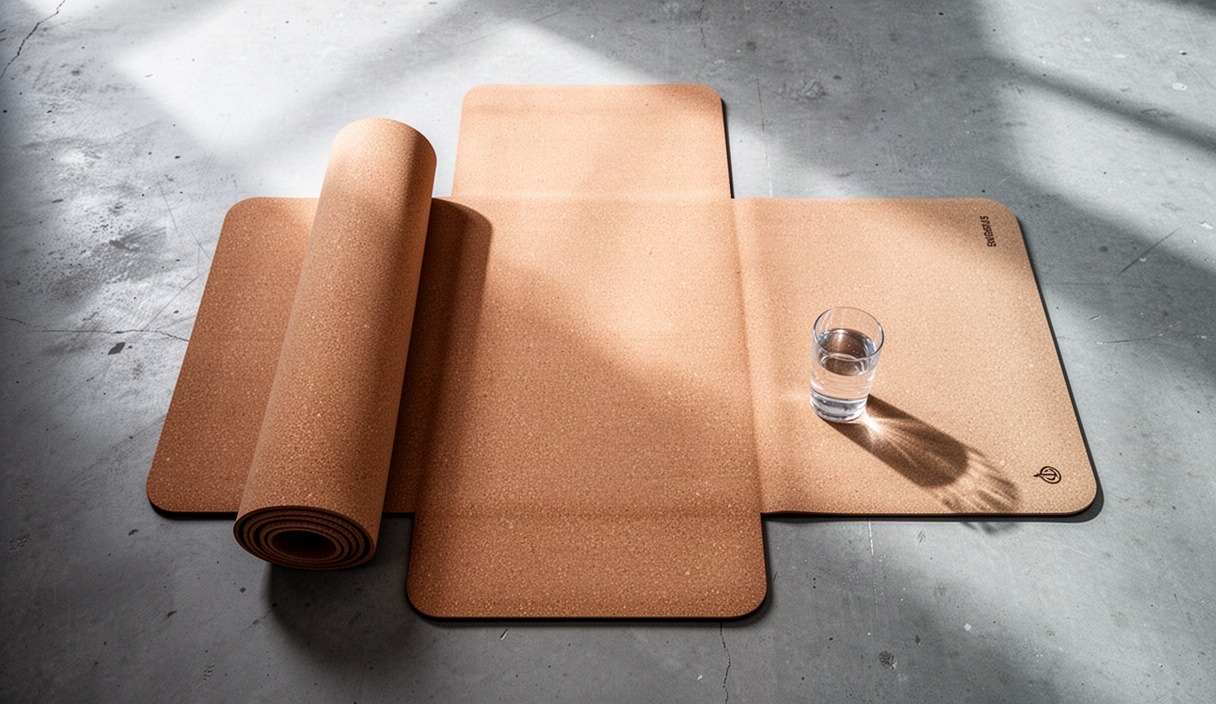
Eight minutes fixes morning stiffness. Cold connective tissue, reduced spinal fluid, and tight hip capsules follow hours of lying still. Jumping into heavy loading or aggressive static stretching causes joint irritation. This sequence moves your primary joints through active ranges for daily readiness. Clear a mat-sized floor space, grab water, and begin as soon as you get out of bed.
Baseline Assessment on the Mat
Lie flat on your back first. Extend your legs, place your arms at your sides, and take two deep diaphragmatic breaths to locate restricted areas. Check if your lumbar spine arches excessively off the mat or if your shoulders hunch toward your ears. Draw one knee toward your chest without letting the opposite thigh rise, assessing unilateral hip flexion. Switch sides to compare left and right mobility. If you feel sharp joint pinches rather than mild muscular tension, stop immediately and consult a physical therapist.
Six Multi-Joint Drills
Flow through these six exercises without long rests. Dedicate roughly 40 to 50 seconds to each movement, prioritizing control over pace.
- Quadruped thoracic rotation: On hands and knees, place one hand behind your head, touch your elbow to the opposite wrist, and rotate your chest toward the ceiling for six reps per side.
- Cat-cow spinal wave: From all fours, tilt your pelvis forward to drop your belly, then tuck your tailbone and round your spine toward the ceiling for eight slow cycles.
- Adductor rock with reach: Extend one leg sideways with foot flat, sit your hips back toward your heel, and thread your opposite arm across your torso for six reps per side.
- Half-kneeling hip flexor glide: Step into a lunge, posteriorly tilt your pelvis to squeeze the back glute, and shift forward two inches while raising the same-side arm.
- Deep squat pry to stand: Drop into a deep squat, push your knees outward with your elbows, plant your hands on the floor, and straighten your legs into a hamstring stretch.
- Inchworm to downward dog pedal: Hinge at your hips, walk your hands into a high plank, push your hips up into a pike, and alternate driving your heels down for eight calf pedals.
Maintain a steady nasal breathing cadence across all drills. Inhale through your nose for three seconds and exhale through your mouth for four seconds on each repetition. Never hold your breath to force a joint into position. Rushing movements spikes sympathetic tension, which prompts your muscles to guard rather than release. If your breathing turns ragged, hold a neutral child pose for two breath cycles before resuming.
Guard against compensatory mechanics in your pelvis and low back. People frequently arch their lumbar spine to fake hip extension during half-kneeling lunges; keep your lower ribs pinned down and tighten your glute to target the psoas. In the squat pry, do not let your foot arches collapse. If limited ankle mobility lifts your heels, place a rolled towel under them. Anyone with acute lumbar disc issues or hip impingement should get professional clearance first.
Stand up, shake out your limbs, and note your stiffest joint pattern. Repeat this exact sequence tomorrow morning to track your mobility progress across the week.
This content is strictly educational; consult a licensed physical therapist or physician before starting any new daily routine. Disclaimer